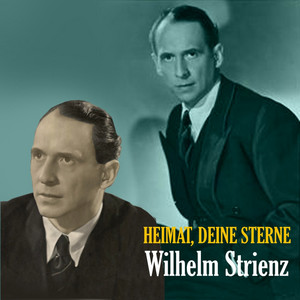
Wilhelm Strienz
Wilhelm Strienz (2 September 1900 – 10 May 1987) was a German bass operatic singer.
Strienz was born in Stuttgart in 1910, and made his debut in 1922 at the Deutsche Oper Berlin as the hermit in Weber's Der Freischütz. In subsequent years, he performed at the opera houses of Wiesbaden, Kaiserslautern and Stuttgart. His roles included Mephistopheles in Gounod's Faust, van Bett in Lortzing's Zar und Zimmermann, and numerous Wagnerian roles.
Between 1926 and 1933, Strienz worked for the newly founded Westdeutscher Rundfunk in Cologne. After the seizure of power in Germany by the Nazis in 1933, broadcasting director Ernst Hardt was dismissed but Strienz joined the S.A. and was engaged by the Berlin State Opera. In 1935, he recorded Deutsch sein heißt treu sein! (To be German is to be loyal) and Flieg', Deutsche Fahne Flieg'! (Fly, German flag) on the Electrola label, and subsequently became a popular performer on radio best known by the nickname Willi Strienz. In 1936, he sang in the Nationalsozialistische Kulturgemeinde-produced film Ewiger Wald (Eternal Forest). He continued to fulfill operatic engagements and guested at the Royal Opera House, Covent Garden. in London. In 1937 and 1938, he sang Sarastro in the first complete recording of Mozart's opera Die Zauberflöte (The Magic Flute) with the Berlin Philharmonic under Sir Thomas Beecham, and in 1943 Falstaff in the first complete recording of Nicolai's opera Die lustigen Weiber von Windsor (The Merry Wives of Windsor) under Artur Rother, also in Berlin, both of these major German roles with overpowering magnificence and grandeur of voice and interpretation. He was also known for his renditions of the ballads Der Nöck (The Water Sprite) by August Kopisch and Die Uhr (The Clock) by Johann Gabriel Seidl, both set to music by Carl Loewe.
Because of his great popularity, the Nazi regime called on him after the start of World War II to sing on the popular radio music show Wunschkonzert für die Wehrmacht (Request Concert for the Armed Forces), where he was particularly renowned for his rendition of Gute Nacht, Mutter (Good Night, Mother) by Werner Bochmann. From 1940, he recorded various other war songs as a soloist. He also appeared in the propaganda films Wunschkonzert (1940) and Fronttheater (1942). In the final phase of the Second World War, Adolf Hitler included Strienz in the Gottbegnadeten list (list of those graced by God) as one of nine major concert singers in August 1944, exempting him from military service during the final stages of the war.
In the immediate post-war period, German broadcasters, especially in the Soviet occupation zone, boycotted Strienz since his name was associated with Nazi propaganda of the war years. He continued his singing career nonetheless, making successful tours and receiving a record contract from Decca. He ended his singing career in 1963 and retired into private life. Strienz died in Frankfurt am Main in 1987.
-
Ich tanze mit dir in den Himmel hinein - Filmmusik der 30er und 40er Jahre, Vol. 1 -
Wilhelm Strienz
-
Wenn ein Mann zu mir von Liebe spricht - Filmmusik der 30er und 40er Jahre, Vol. 1 -
Wilhelm Strienz
-
Kann denn Liebe Sünde sein - Filmmusik der 30er und 40er Jahre, Vol. 1 -
Wilhelm Strienz
-
Musik, Musik, Musik (Ich brauche keine Millionen) - Filmmusik der 30er und 40er Jahre, Vol. 1 -
Wilhelm Strienz
-
Good Bye, Johnny - Filmmusik der 30er und 40er Jahre, Vol. 1 -
Wilhelm Strienz
-
So bin ich und so bleibe ich, Yes Sir! - Filmmusik der 30er und 40er Jahre, Vol. 1 -
Wilhelm Strienz
-
Das it die Sonne von Arkadien - Filmmusik der 30er und 40er Jahre, Vol. 1 -
Wilhelm Strienz
-
Was lachst du, was weinst du - Filmmusik der 30er und 40er Jahre, Vol. 1 -
Wilhelm Strienz
-
Wenn zwei sich heimlich lieben - Filmmusik der 30er und 40er Jahre, Vol. 1 -
Wilhelm Strienz
-
Es war ein Mädchen und ein Matrose - Filmmusik der 30er und 40er Jahre, Vol. 1 -
Wilhelm Strienz
-
Kauf' dir einen bunten Luftballon - Filmmusik der 30er und 40er Jahre, Vol. 1 -
Wilhelm Strienz
-
Der Onkel Doktor hat gesagt du darfst nicht küssen - Filmmusik der 30er und 40er Jahre, Vol. 1 -
Wilhelm Strienz
-
Wie hab' ich nur leben können ohne dich - Filmmusik der 30er und 40er Jahre, Vol. 1 -
Wilhelm Strienz
-
Gute Nacht, Mutter - Filmmusik der 30er und 40er Jahre, Vol. 1 -
Wilhelm Strienz
-
Sing mit mir, spiel mit mir - Filmmusik der 30er und 40er Jahre, Vol. 1 -
Wilhelm Strienz
-
Die Reblaus - Filmmusik der 30er und 40er Jahre, Vol. 1 -
Wilhelm Strienz
-
Merci, mon ami, es war wunderschön - Filmmusik der 30er und 40er Jahre, Vol. 1 -
Wilhelm Strienz
-
Hoppla, jetzt komm' ich - Filmmusik der 30er und 40er Jahre, Vol. 1 -
Wilhelm Strienz
-
Ich werde jede Nacht von Ihnen träumen - Filmmusik der 30er und 40er Jahre, Vol. 1 -
Wilhelm Strienz
-
Frauen sind keine Engel - Filmmusik der 30er und 40er Jahre, Vol. 1 -
Wilhelm Strienz
-
Steig ein in die Gondel - Filmmusik der 30er und 40er Jahre, Vol. 1 -
Wilhelm Strienz
-
Gasparone: Dunkelrote Rosen - Singers of the Century: Wilhelm Strienz – A Singer and His Songs -
Wilhelm Strienz
-
Anno dazumal - Singers of the Century: Wilhelm Strienz – A Singer and His Songs -
Wilhelm Strienz
-
Mädel, ich bin dir so gut (From "The Heart on the Rhine") - Singers of the Century: Wilhelm Strienz – A Singer and His Songs -
Wilhelm Strienz
-
Ein ganzer Kerl: Abends in der Taverne - Singers of the Century: Wilhelm Strienz – A Singer and His Songs -
Wilhelm Strienz
-
Naughty Marietta: Ach, ich bin so verliebt in eine - Singers of the Century: Wilhelm Strienz – A Singer and His Songs -
Wilhelm Strienz
-
Hinter dieser schweren Pforte (From "Congo Express") - Singers of the Century: Wilhelm Strienz – A Singer and His Songs -
Wilhelm Strienz
-
Unter dem Sternenzelt (From "Holiday From Myself") - Singers of the Century: Wilhelm Strienz – A Singer and His Songs -
Wilhelm Strienz
-
Steig ein in die Gondel (From "Casanova heiratet") - Singers of the Century: Wilhelm Strienz – A Singer and His Songs -
Wilhelm Strienz
-
Penny Serenade - Singers of the Century: Wilhelm Strienz – A Singer and His Songs -
Wilhelm Strienz
-
Goodbye Johnny (From "Water for Canitoga") - Singers of the Century: Wilhelm Strienz – A Singer and His Songs -
Wilhelm Strienz
-
Bel ami - Singers of the Century: Wilhelm Strienz – A Singer and His Songs -
Wilhelm Strienz
-
Heimat, deine Sterne (From "Quax the Crash Pilot") - Singers of the Century: Wilhelm Strienz – A Singer and His Songs -
Wilhelm Strienz
-
Träume nur (From "Das große Abenteuer") - Singers of the Century: Wilhelm Strienz – A Singer and His Songs -
Wilhelm Strienz
-
Wie schön bist du, bezaubernde Tropennacht (From "Vom Schicksal verweht") - Singers of the Century: Wilhelm Strienz – A Singer and His Songs -
Wilhelm Strienz
-
Carry Me Back to Old Virginny - Singers of the Century: Wilhelm Strienz – A Singer and His Songs -
Wilhelm Strienz
-
Antje, mein blondes Kind - Singers of the Century: Wilhelm Strienz – A Singer and His Songs -
Wilhelm Strienz
-
Frauen sind so schön, wenn sie lieben - Singers of the Century: Wilhelm Strienz – A Singer and His Songs -
Wilhelm Strienz
-
Ich spiel auf deiner Geige - Singers of the Century: Wilhelm Strienz – A Singer and His Songs -
Wilhelm Strienz
-
Eine kleine Melodie - Singers of the Century: Wilhelm Strienz – A Singer and His Songs -
Wilhelm Strienz
-
Was will ich noch mehr? - Singers of the Century: Wilhelm Strienz – A Singer and His Songs -
Wilhelm Strienz
-
Vor dir liegt das Glück - Singers of the Century: Wilhelm Strienz – A Singer and His Songs -
Wilhelm Strienz
-
Monika: Heimatlied - Singers of the Century: Wilhelm Strienz – A Singer and His Songs -
Wilhelm Strienz
-
Viele gold'ne Sternlein steh'n am blauen Himmelszelt - Singers of the Century: Wilhelm Strienz – A Singer and His Songs -
Wilhelm Strienz
-
Liselott: Heimweh, ich hab' Heimweh nach dir - Singers of the Century: Wilhelm Strienz – A Singer and His Songs -
Wilhelm Strienz
-
Wenn dich die Menschen auch kränken - Singers of the Century: Wilhelm Strienz – A Singer and His Songs -
Wilhelm Strienz
-
Wenn die Barkassen den Dampfer verlassen - Singers of the Century: Wilhelm Strienz – A Singer and His Songs -
Wilhelm Strienz
-
Gute Nacht, Mutter - Singers of the Century: Wilhelm Strienz – A Singer and His Songs -
Wilhelm Strienz
-
Mond, goldener Mond - Singers of the Century: Wilhelm Strienz – A Singer and His Songs -
Wilhelm Strienz
-
Die kleine Stadt will schlafen geh'n (From "The Little Town Will Go to Sleep") - Singers of the Century: Wilhelm Strienz – A Singer and His Songs -
Wilhelm Strienz
-
Es ist so schön, wenn jemand auf dich wartet - Singers of the Century: Wilhelm Strienz – A Singer and His Songs -
Wilhelm Strienz
-
Ständchen - Singers of the Century: Wilhelm Strienz – A Singer and His Songs -
Wilhelm Strienz
-
Am Wald in der Schenke zum Kürassier - Singers of the Century: Wilhelm Strienz – A Singer and His Songs -
Wilhelm Strienz
-
Der Rosenkranz - Singers of the Century: Wilhelm Strienz – A Singer and His Songs -
Wilhelm Strienz
-
So schön wie du - Singers of the Century: Wilhelm Strienz – A Singer and His Songs -
Wilhelm Strienz
-
Sternenlied - Singers of the Century: Wilhelm Strienz – A Singer and His Songs -
Wilhelm Strienz
-
Heimweh - Singers of the Century: Wilhelm Strienz – A Singer and His Songs -
Wilhelm Strienz
-
Sing mir das Lied noch einmal - Singers of the Century: Wilhelm Strienz – A Singer and His Songs -
Wilhelm Strienz
-
Einen Hafen voller Matrosen - Singers of the Century: Wilhelm Strienz – A Singer and His Songs -
Wilhelm Strienz
-
Das Hermännchen: Schwalbenlied - Singers of the Century: Wilhelm Strienz – A Singer and His Songs -
Wilhelm Strienz
-
Sag beim Abschied leise Servus (From " Burgtheater") - Singers of the Century: Wilhelm Strienz – A Singer and His Songs -
Wilhelm Strienz
-
Otello: "Esultate!" - DG 120 – Opera: Early Recordings -
Wilhelm Strienz
-
Otello: "Ora e per sempre addio" - DG 120 – Opera: Early Recordings -
Wilhelm Strienz
-
La Bohème: "O soave fanciulla" - DG 120 – Opera: Early Recordings -
Wilhelm Strienz
-
La Bohème: "O Mimì, tu più non torni" - DG 120 – Opera: Early Recordings -
Wilhelm Strienz
-
L'Africaine / Act 4: "O Paradiso" - DG 120 – Opera: Early Recordings -
Wilhelm Strienz
-
L'elisir d'amore: "Una furtiva lagrima" - DG 120 – Opera: Early Recordings -
Wilhelm Strienz
-
Boris Godounov: "Proshchay, moy syn" - DG 120 – Opera: Early Recordings -
Wilhelm Strienz
-
Un ballo in maschera: "Für dein Glück" - (Sung in German) - DG 120 – Opera: Early Recordings -
Wilhelm Strienz
-
Rigoletto: "Cortigiani, vil razza dannata" - DG 120 – Opera: Early Recordings -
Wilhelm Strienz
-
Pagliacci: "Jetzt spielen? ... Hüll' Dich in Tand" - DG 120 – Opera: Early Recordings -
Wilhelm Strienz
-
Cavalleria rusticana: "O lola ch'ai di latti la cammisa" - DG 120 – Opera: Early Recordings -
Wilhelm Strienz
-
Otello: "Du? Was Willst Du? Geh Du!" - DG 120 – Opera: Early Recordings -
Wilhelm Strienz
-
La Bohème: "Will ich allein des Abends" - (Sung in German) - DG 120 – Opera: Early Recordings -
Wilhelm Strienz
-
Rigoletto: "Teurer Name" - (Sung in German) - DG 120 – Opera: Early Recordings -
Wilhelm Strienz
-
Rigoletto: "O wie so trügerisch" - (Sung in German) - DG 120 – Opera: Early Recordings -
Wilhelm Strienz
-
Tosca: "Wie sich die Bilder gleichen" - DG 120 – Opera: Early Recordings -
Wilhelm Strienz
-
Turandot: "O weine nicht, Liu" - DG 120 – Opera: Early Recordings -
Wilhelm Strienz
-
La forza del destino: "Du, die verklärt im Himmelslicht" - DG 120 – Opera: Early Recordings -
Wilhelm Strienz
-
Aida: "O, Vater, Geliebter, die heiligen Namen" - Sung in German - DG 120 – Opera: Early Recordings -
Wilhelm Strienz
-
Tosca: "E lucevan le stelle" - DG 120 – Opera: Early Recordings -
Wilhelm Strienz
-
L'elisir d'amore: "Una furtiva lagrima" - DG 120 – Opera: Early Recordings -
Wilhelm Strienz
-
Il barbiere di Siviglia: "Frag ich mein beklommnes Herz" - DG 120 – Opera: Early Recordings -
Wilhelm Strienz
-
Il barbiere di Siviglia: "Die Verleumdung, sie ist ein Lüftchen" - DG 120 – Opera: Early Recordings -
Wilhelm Strienz
-
Tosca: "Nur der Schönheit weiht' ich mein Leben" - DG 120 – Opera: Early Recordings -
Wilhelm Strienz
-
Turandot: "Keiner schlafe" - DG 120 – Opera: Early Recordings -
Wilhelm Strienz
-
Undine: "Nun ist's vollbracht!" - DG 120 – Opera: Early Recordings -
Wilhelm Strienz
-
Die Zauberflöte, K.620: "Bei Männern, welche Liebe fühlen" - DG 120 – Opera: Early Recordings -
Wilhelm Strienz
-
Die Zauberflöte, K.620: "Ein Mädchen oder Weibchen" - DG 120 – Opera: Early Recordings -
Wilhelm Strienz
-
Die Zauberflöte, K.620: "In diesen heil'gen Hallen" - DG 120 – Opera: Early Recordings -
Wilhelm Strienz
-
Die Entführung aus dem Serail, K.384: "Konstanze, dich wiederzusehen, dich!" - DG 120 – Opera: Early Recordings -
Wilhelm Strienz
-
Martha: "Letzte Rose" - (Sung in German) - DG 120 – Opera: Early Recordings -
Wilhelm Strienz
-
Martha: "Ach, so fromm" - (Sung in German) - DG 120 – Opera: Early Recordings -
Wilhelm Strienz
-
Der Freischütz, Op. 77, J. 277: "Einst träumte meiner sel'gen Base" - "Trübe Augen, Liebchen, taugen" - DG 120 – Opera: Early Recordings -
Wilhelm Strienz
-
Ariadne auf Naxos, Op.60, TrV 228: "An Ihre Plätze, meine Damen und Herrn!" - DG 120 – Opera: Early Recordings -
Wilhelm Strienz
-
Parsifal, WWV 111: "Ich sah das Kind an seiner Mutter Brust" - DG 120 – Opera: Early Recordings -
Wilhelm Strienz
-
Lohengrin: "In fernem Land...Mein lieber Schwann" - DG 120 – Opera: Early Recordings -
Wilhelm Strienz
-
Die Meistersinger von Nürnberg, WWV 96: "Morgenlich leuchtend" - DG 120 – Opera: Early Recordings -
Wilhelm Strienz
-
Parsifal, WWV 111: "Des Weihgefäßes göttlicher Gehalt" - DG 120 – Opera: Early Recordings -
Wilhelm Strienz
-
Das Rheingold, WWV 86A: "Weiche, Wotan, weiche!" - DG 120 – Opera: Early Recordings -
Wilhelm Strienz
-
Rienzi, WWV 49: "Allmächt'ger Vater" - DG 120 – Opera: Early Recordings -
Wilhelm Strienz
-
Die Meistersinger von Nürnberg, WWV 96: "Was duftet doch der Flieder" - DG 120 – Opera: Early Recordings -
Wilhelm Strienz
-
Die Meistersinger von Nürnberg, WWV 96: "Wahn! Wahn! Überall Wahn!" - DG 120 – Opera: Early Recordings -
Wilhelm Strienz
Similar Artists